See The World
Differently
Countdown to Vision 2030 & Beyond
164 likes
0 impressions
impactofvaluesMotivation is a feeling, but momentum is a force of nature. If we wait until we "feel" like collaborating or tackling big sustainable goals, progress will stall. Rely on the architecture of your routine. Do the small, necessary things every single morning. Consistency builds the momentum that changes the world. DailyMomentum HabitBuilding ConsistentAction MorningRoutine
431 likes
0 impressions
impactofvaluesWe often try to optimize every single minute of our day, leaving zero room for the unexpected. But a system packed too tightly will eventually break under pressure. You need slack. By intentionally leaving empty gaps in your schedule to simply breathe and step away from the screen, you protect your long-term health and clarity. BreathingRoom StressReduction HealthySystems MentalClarity
370 likes
0 impressions
impactofvaluesIt is easy to draft a beautiful plan for global impact. It is much harder to execute it. True integration happens when we stop talking about our frameworks and start living them. When your daily operations, your team meetings, and your micro-decisions align with your grandest goals, that is when the ecosystem truly begins to shift. Move the strategy into reality. LiveTheBlueprint ImpactAction Operationalize GlobalGoals
Understanding the Global Goals
The Sustainable Development Goals (SDGs) are a universal call to action to end poverty, protect the planet, and ensure that by 2030 all people enjoy peace and prosperity.
At Impact of Values, we break down these 17 ambitious global objectives into daily, actionable insights. By integrating education into our daily environments, we aim to foster behavioral change and drive real-world impact.
“”Sustainable development goals are our shared blueprint for peace, prosperity, and a thriving planet where no one is left behind.
Mounir Yassin
SDG of the Month
Special Edition: All SDGs
# The Global Mirror: Inside the 2026 High-Level Political Forum ## The Gathering at the Threshold Every July, a distinct kind of energy settles over the United Nations Headquarters in New York. For nine days, the standard diplomatic rhythms give way to something far more urgent. Between July 7 and July 15, 2026, the halls are filled not just with ministers and heads of state, but with the quiet determination of activists, the sharp focus of scientists, and the hopeful expectations of civil society. This is the High-Level Political Forum on Sustainable Development (HLPF)—the central stage where humanity holds a mirror up to its grandest promises. For the *"Impact of Values"* initiative, July represents a vital bridge. In May, we explored the foundational role of systemic justice and strong institutions (SDG 16). In June, we plunged into the vulnerable depths of our oceans (SDG 14). Now, as mid-year approaches, the global community gathers to look at the entire landscape of our survival. The theme for this 2026 forum could not be more defining: *"Transformative, equitable, innovative and coordinated actions for the 2030 Agenda and its SDGs for a sustainable future for all."* This is not just another conference. With less than four years remaining until the 2030 deadline, the 2026 HLPF carries a historical weight. It is a collective recognition that our approach to global development cannot merely be incremental; it must be profoundly transformative. When we look at the data, the reports, and the voluntary reviews being presented by 36 nations this month, we are looking at the scorecard of our shared civilization. We are forced to ask a raw, deeply human question: *Are the frameworks we build serving the people they were meant to protect?* ## The Architecture of Global Promises: What is the HLPF? To understand why this Special Edition matters, we must pull back the curtain on what the HLPF actually represents. Established in 2012 during the Rio+20 conference, the forum was designed to be the ultimate guardian of the Sustainable Development Goals. It is the mechanism that ensures global commitments do not simply dissolve into empty rhetoric once the ink on an international agreement dries. The brilliance of the HLPF lies in its structure of Voluntary National Reviews (VNRs). This year, 36 countries are stepping into the light to share their honest progress, their systemic bottlenecks, and their hard-learned lessons. It is an exercise in institutional vulnerability. It forces governments to cross-examine their domestic policies against a universal baseline of human dignity. But why do we dedicate an entire month of our quadrimester to a singular forum rather than an isolated goal? Because sustainability is a web, not a checklist. The challenges we face—whether they are dry taps in an arid region or a lack of clean electricity in a sprawling informal settlement—cannot be solved in silos. The HLPF is the only space where policy coherence is actively engineered. It is where the macro-level strategies of international finance meet the micro-level realities of grassroots communities, demanding that our coordinated actions match the scale of our global crises. ## The Numbers That Keep Us Awake: The 2026 Core Pillars While our master narrative is always driven by the human spirit, we cannot ignore the stubborn reality of data. Data is the language through which our systems communicate pain, deficit, and progress. At the 2026 HLPF, five specific goals are under intense, systemic review. The global baseline numbers tell a story of incredible breakthroughs, but also of profound, lingering inequities. | **In-Focus SDGs** | **Core Human Metric Under Review** | **Current Global Status (2026 Baseline Data)** | |---------|-----------------------------------|-----------------------------------------------| | **SDG 6** | Population lacking safely managed drinking water services | **2.2 Billion** people still lack secure, clean water at home. | | **SDG 7** | Global population living completely without electricity access | Approximately **680 Million** people remain in absolute energy darkness. | | **SDG 9** | Small-scale industries in developing nations with access to financial credit | Fewer than **1 in 3** small enterprises receive formal financial backing. | | **SDG 11** | Urban residents living in informal settlements or slums worldwide | Over **1.1 Billion** individuals navigate inadequate, fragile urban housing. | | **SDG 17** | Total global official development assistance (ODA) allocation gap | A shifting financing deficit requiring **$4.2 Trillion** annually to meet 2030 targets. | The data reveals an undeniable truth: we are no longer just fighting an environmental or financial crisis. We are navigating an allocation crisis. The resources exist; the infrastructure to distribute them equitably does not. When we look at SDG 6, it is easy to see a number like **2.2 billion** and feel detached. But that number represents a massive expenditure of human time. It represents millions of women and young girls who collectively spend **200 million hours** every single day simply walking to fetch water—hours that should be spent in classrooms, establishing businesses, or resting. Similarly, the energy deficits highlighted in SDG 7 are not just about lightbulbs; they are about safety and medical equity. When a rural clinic lacks reliable electricity, vaccines spoil in unpowered refrigerators, and mothers give birth by the flickering light of kerosene lamps or mobile phones. The data is a diagnostic tool, pointing directly to where our collective empathy must be deployed. ## The Interconnected Web: A Human Symphony The heart of the 2026 forum is the understanding that these numbers bleed into one another. You cannot build a sustainable city (SDG 11) without a nature-positive, just transition to clean energy (SDG 7). You cannot foster inclusive industrialization (SDG 9) if your workforce is chronically ill from a lack of safely managed sanitation (SDG 6). Imagine a young tech entrepreneur living in a rapidly expanding urban center in the Global South. She has the brilliance, the drive, and a digital blueprint designed to optimize local food distribution. However, her city suffers from rolling power outages. Her neighborhood lacks basic resilient infrastructure, meaning a heavy rainfall floods her workspace and cuts off her internet connectivity. When she seeks capital to scale her innovation, she finds that local financial institutions view small-scale, youth-led enterprises as too high of a risk. Her story is where SDG 7, 9, 11, and 17 collide. Her individual potential is choked not by a lack of talent, but by a lack of coordinated, systemic support. When the HLPF addresses these intersections, it is trying to clear the path for millions like her. It demands that international partnerships (SDG 17) focus on closing the global governance gap. It insists that urban planning integrate biodiversity, ensuring that as cities grow to shelter the next billion people, they do not destroy the natural ecosystems that protect those very human settlements from climate disasters. This is what the forum means by transformative action—it is the deliberate act of untangling these systemic knots so that individual human dignity can finally breathe. ## The Mirror in the Desert: The UAE’s Visionary Horizon To bring this global summit down to earth, we look to the very region we call home. The United Arab Emirates has long understood that sustainable development is not a defensive obligation, but a strategic engine for human progress. As an active participant in the global SDG dialogue, the UAE’s domestic landscape serves as a living laboratory for the precise themes being debated in New York this July. In the heart of Dubai, across the commercial corridors of Trade Centre 2 and the financial hubs of the Dubai International Financial Centre (DIFC), you can witness the practical application of SDG 9 and SDG 11. The nation has constructed an ecosystem where resilient infrastructure and inclusive industrialization are foundational. By implementing meticulous quality management frameworks—comparable to the structural integrity of ISO 9001:2015 standards—the UAE has created a transparent, high-trust environment where sustainable innovation can scale rapidly. Consider how the local context reframes the global water and energy crises. In an arid region where natural freshwater is scarce, the UAE's approach to SDG 6 has required monumental innovation in desalination and wastewater recycling. The country has transformed a geographical vulnerability into a masterclass in technological resilience. Furthermore, the nation’s transition toward clean energy (SDG 7), marked by massive solar infrastructures and pioneering nuclear energy integrations, demonstrates how a forward-looking economy can diversify away from traditional resources while actively lowering its carbon footprint. This local lens proves that the macro-level declarations made at the HLPF are entirely achievable when backed by clear leadership, strict accountability, and a culture that blends deep-rooted values of human solidarity with relentless innovation. The UAE shows the world that a desert can cultivate a sustainable future, provided that the underlying societal architecture is anchored in purpose. ## Pause, Reflect, and Recalibrate As the ministerial declarations are drafted and the delegates prepare to return to their respective nations, the true work of the HLPF begins. The success of a global forum is never measured by the document it adopts, but by the conviction it leaves in the hearts of those who participated. Take a moment to step away from the global scale and look at your own immediate environment. When you observe the systems you interact with daily—your corporate agency, your local neighborhood, your digital networks—do you see an architecture designed to include or to isolate? Are you actively building partnerships, or are you operating in a silo? We must realize that we cannot outsource the achievement of the 2030 Agenda to international diplomats. The *"Impact of Values"* initiative reminds us that global policy is merely the collective reflection of our internal priorities. If we want transformative and equitable action on a global stage, we must practice transformative and equitable action in our boardrooms, our business models, and our daily interactions. Every time we champion a transparent process, support a local startup, or make a conscious decision to minimize our environmental strain, we are voting for the very world the HLPF is trying to design. ## The Ripple Effect: From Global Policy to Micro-Habits To ensure that the insights of this July Special Edition do not remain confined to international transcripts, we must translate them into our personal and professional lives. Here are four micro-habits aligned with the 2026 HLPF core pillars that you can implement immediately: - **Practice Institutional Transparency**: Within your own business, agency, or team, audit your operational frameworks. Ensure that information is accessible, equity is prioritized in decision-making, and your processes mirror the accountability we demand from global governments. - **Champion Inclusive Innovation**: If you are an established leader or professional, intentionally direct your resources, mentorship, or procurement towards small-scale, sustainable enterprises. Actively lower the barriers of entry for those trying to bring fresh, ethical ideas into the commercial ecosystem. - **Optimize Local Resources**: Treat water and energy in your immediate environment not as endless commodities, but as precious shared resources. Implement systemic efficiency checks in your home and office layouts, recognizing that conservation on a small scale directly eases the macro-strain on our global ecosystems. - **Cultivate Intentional Partnerships**: Actively break down the silos in your professional field. Reach across industries, connect with civil society, or collaborate with sustainability initiatives. Complex challenges require diverse minds; build coalitions that prioritize collective impact over individual recognition. ## The Unbroken Thread The closing of the High-Level Political Forum in mid-July is not an endpoint; it is a catalyst. The narratives of systemic resilience, resource equity, and collaborative partnership that defined this special month are the exact forces required to fuel our next chapter. As we transition into August, our focus will narrow onto one of the most vital moral challenges of our generation: **Reduced Inequalities (SDG 10)**. The lessons learned in July provide the tools we need for the battles ahead. We cannot level the playing field if our cities are fragile, our energy is unequal, and our institutions are opaque. The thread remains unbroken. The global stage has shown us what is at stake; now, it is up to us to take that blueprint and build its reality, one conscious choice at a time.
Global Observances
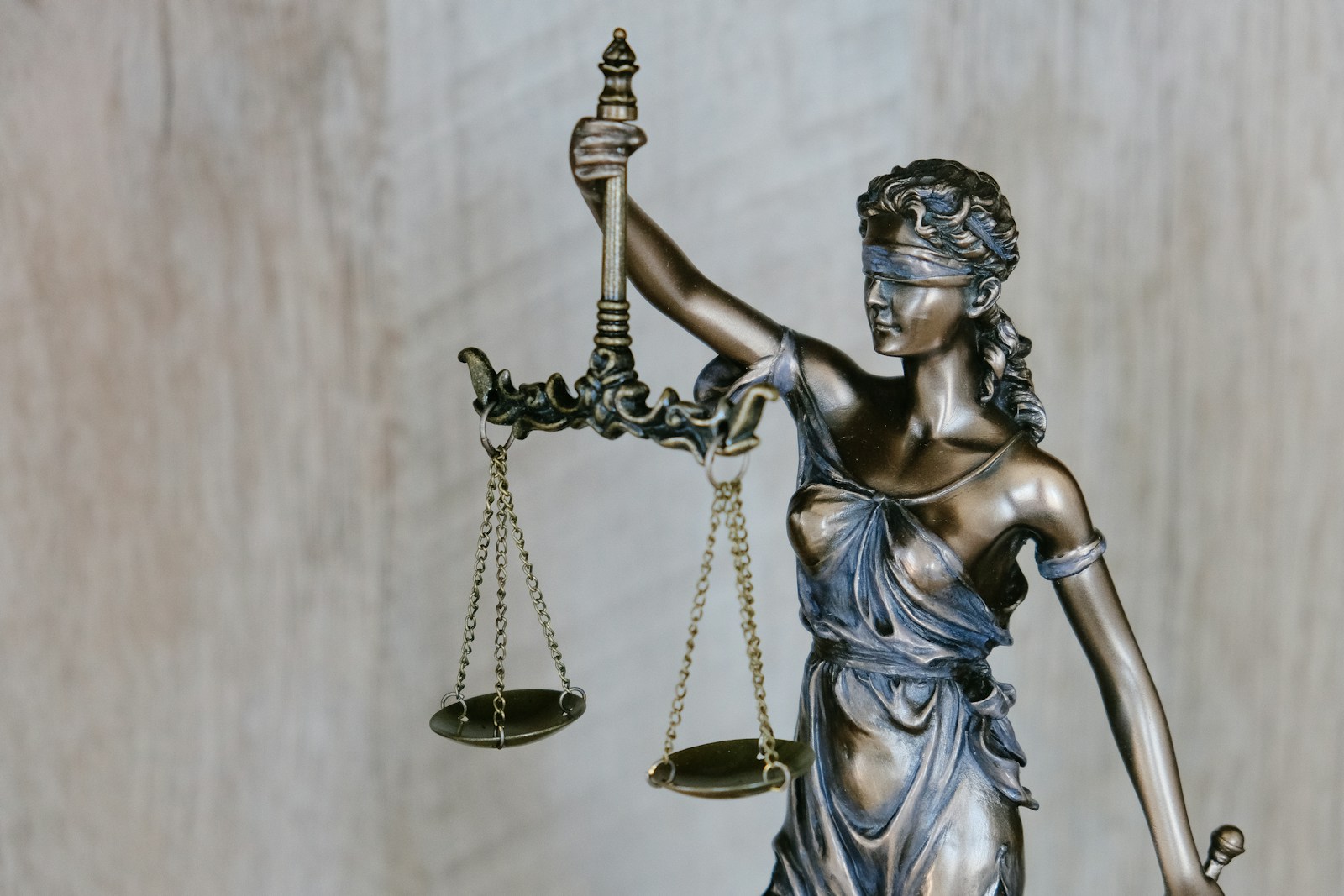
International Day for Judicial Well-being
Overview The International Day for Judicial Well-being raises awareness about the importance of judicial well-being, strengthens judicial integrity and the rule of law globally, and recognizes that judicial well-being is tied to the quality of justice. Official Details Date: July 25 (annually) Designated by: UN General Assembly Resolution 79/266 (March 4, 2025) Coincides with the adoption of the Nauru Declaration on Judicial Well-being (July 25, 2024) Passed with 160 votes in favor, co-sponsored by 70 countries Key Statistics 76% of judges say they lack sufficient time for optimal well-being 92% indicate judicial work brings them stress 89% know colleagues experiencing stress or anxiety 69% feel talking about mental health is taboo among judges 83% say available support is insufficient Actions for General Users Recognize the human dimension of judicial work Show respect for judges and the judicial system Advocate for better support systems within the justice system Support initiatives destigmatizing mental health in the legal profession Actions for Businesses Legal firms should implement well-being programmes for legal professionals Support pro-bono initiatives that reduce judicial workload Provide mental health resources for employees in legal roles Respect court processes and avoid undue pressure on judicial officers Covered SDGs SDG 3 (Good Health and Well-being), SDG 16 (Peace, Justice and Strong Institutions)
Learn more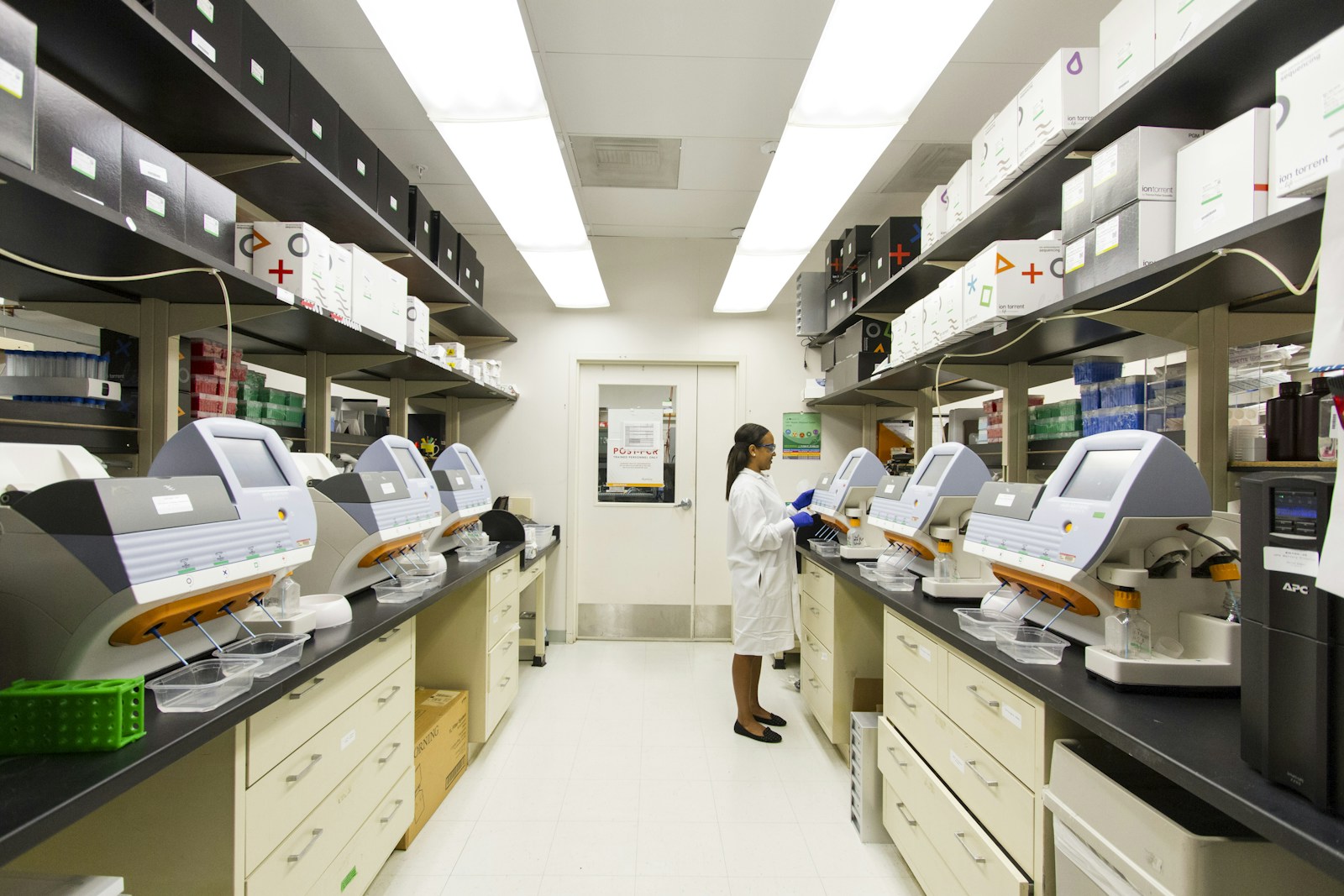
World Hepatitis Day
Overview World Hepatitis Day raises awareness of viral hepatitis as a global public health problem, promotes understanding of hepatitis prevention and control, and supports the WHO goal to eliminate hepatitis by 2030. Official Details Date: July 28 (annually) Birthday of Nobel Laureate Dr. Baruch Blumberg — discoverer of the hepatitis B virus Designated by the World Health Assembly Calls for strengthening preventive and control measures worldwide Key Statistics Every 30 seconds a person dies from hepatitis-related illness Over 350 million people have chronic hepatitis B or C 80% of those infected cannot access needed care 1.4–1.5 million deaths every year from all types of hepatitis Hepatitis B is 50–100 times more infectious than HIV Actions for General Users Get tested for hepatitis B and C Get vaccinated against hepatitis B Practice safe hygiene — avoid sharing needles, razors, or toothbrushes Educate yourself and others about transmission routes Support global health organizations working on hepatitis elimination Actions for Businesses Provide hepatitis testing and vaccination programmes for employees Ensure workplace health policies include hepatitis awareness Support global health initiatives financially or through partnerships Implement infection control measures in workplace healthcare settings Educate employees about prevention and treatment options Covered SDGs SDG 3 (Good Health and Well-being)
Learn more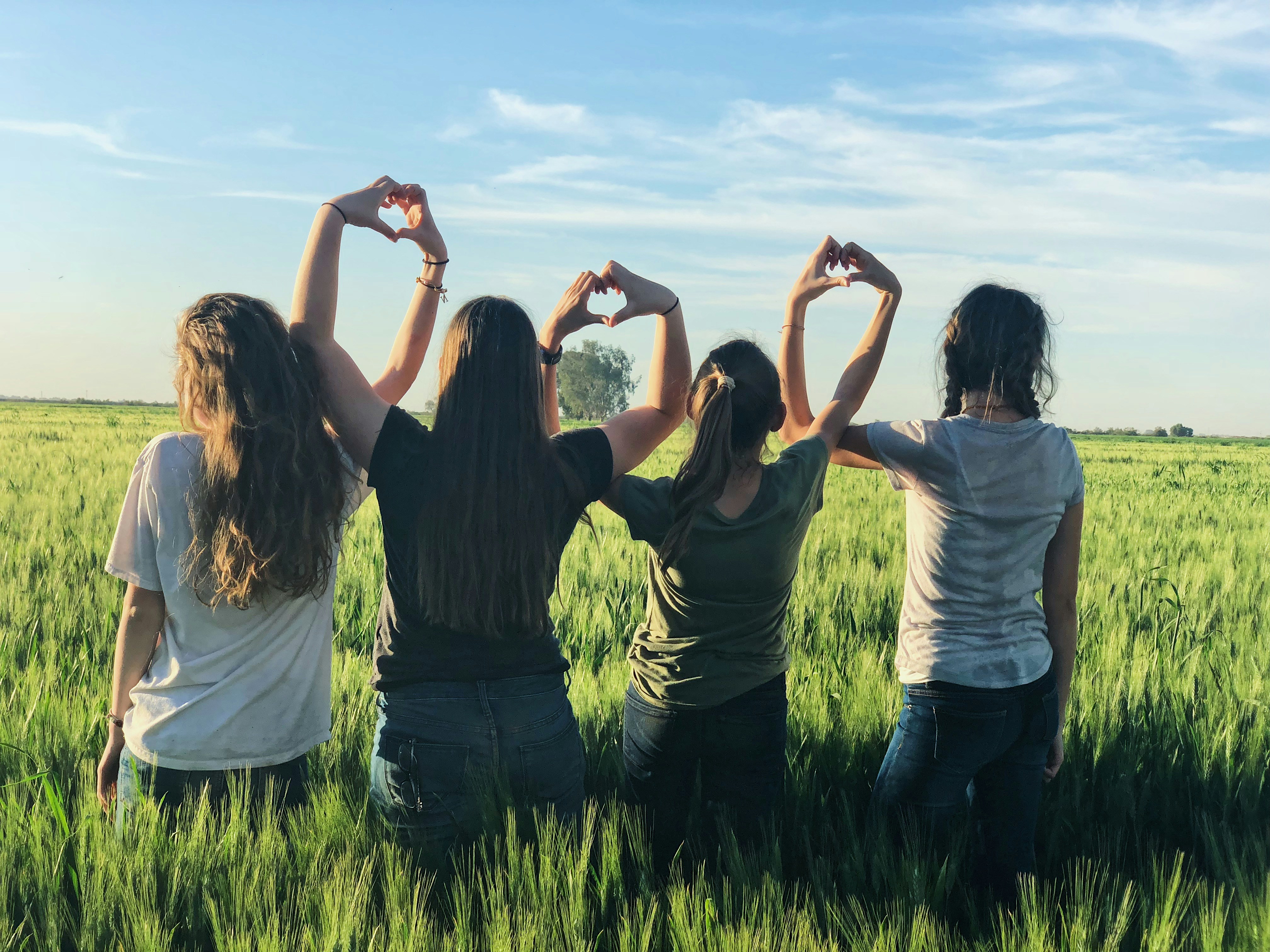
International Day of Friendship
Overview The International Day of Friendship promotes friendship between peoples, countries, cultures, and individuals, inspires peace efforts and builds bridges between communities, and involves young people as future leaders in community activities. Official Details Date: July 30 (annually) Proclaimed by: UN General Assembly in 2011 (Resolution A/65/L.72) Based on UNESCO's Culture of Peace initiative Encourages dialogue among civilizations and mutual understanding Actions for General Users Reach out to someone from a different culture or background Organize community gatherings celebrating diversity Volunteer with organizations promoting cross-cultural dialogue Share messages of friendship and peace using #FriendshipDay Mentor young people in your community Actions for Businesses Foster inclusive workplace cultures that value diversity Partner with organizations promoting intercultural understanding Launch employee exchange programmes across different offices Support community initiatives building bridges between groups Create safe spaces for dialogue among diverse employees Covered SDGs SDG 4 (Quality Education), SDG 5 (Gender Equality), SDG 10 (Reduced Inequalities), SDG 16 (Peace, Justice and Strong Institutions), SDG 17 (Partnerships for the Goals)
Learn moreThe Roadmap
Quadrimester 2026
SDG Focus
Goals for Q1
SDG 8: Decent Work and Economic Growth
Official UN Description: "Promote sustained, inclusive and sustainable economic growth, full and productive employment and decent work for all." Detailed Explanation: Goal 8 focuses on creating quality jobs, promoting entrepreneurship, and fostering economic growth that benefits everyone.
Explore GoalSDG 1: NO POVERTY
Official UN Description: "End poverty in all its forms everywhere." Detailed Explanation: Eradicating extreme poverty for all people everywhere by 2030 is a pivotal aim. Extreme poverty, defined as surviving on less than US$3.00 per person per day at 2021 PPP, has witnessed remarkable declines. However, in 2025, 808 million people – or 1 in 10 people worldwide – were living in extreme poverty.
Explore GoalSDG 5: GENDER EQUALITY
Official UN Description: "Achieve gender equality and empower all women and girls." Detailed Explanation: Achieving gender equality and empowering all women and girls is not just the right thing to do, it's essential for sustainable development. Gender equality is a fundamental human right and a necessary foundation for a peaceful, prosperous and sustainable world.
Explore GoalSDG 17: PARTNERSHIPS FOR THE GOALS
Official UN Description: "Strengthen the means of implementation and revitalize the Global Partnership for Sustainable Development." Detailed Explanation: The Global Goals can only be met if we work together. International investments and support is needed for technological development, fair trade and market access, especially for developing countries.
Explore GoalWorld Breastfeeding Week
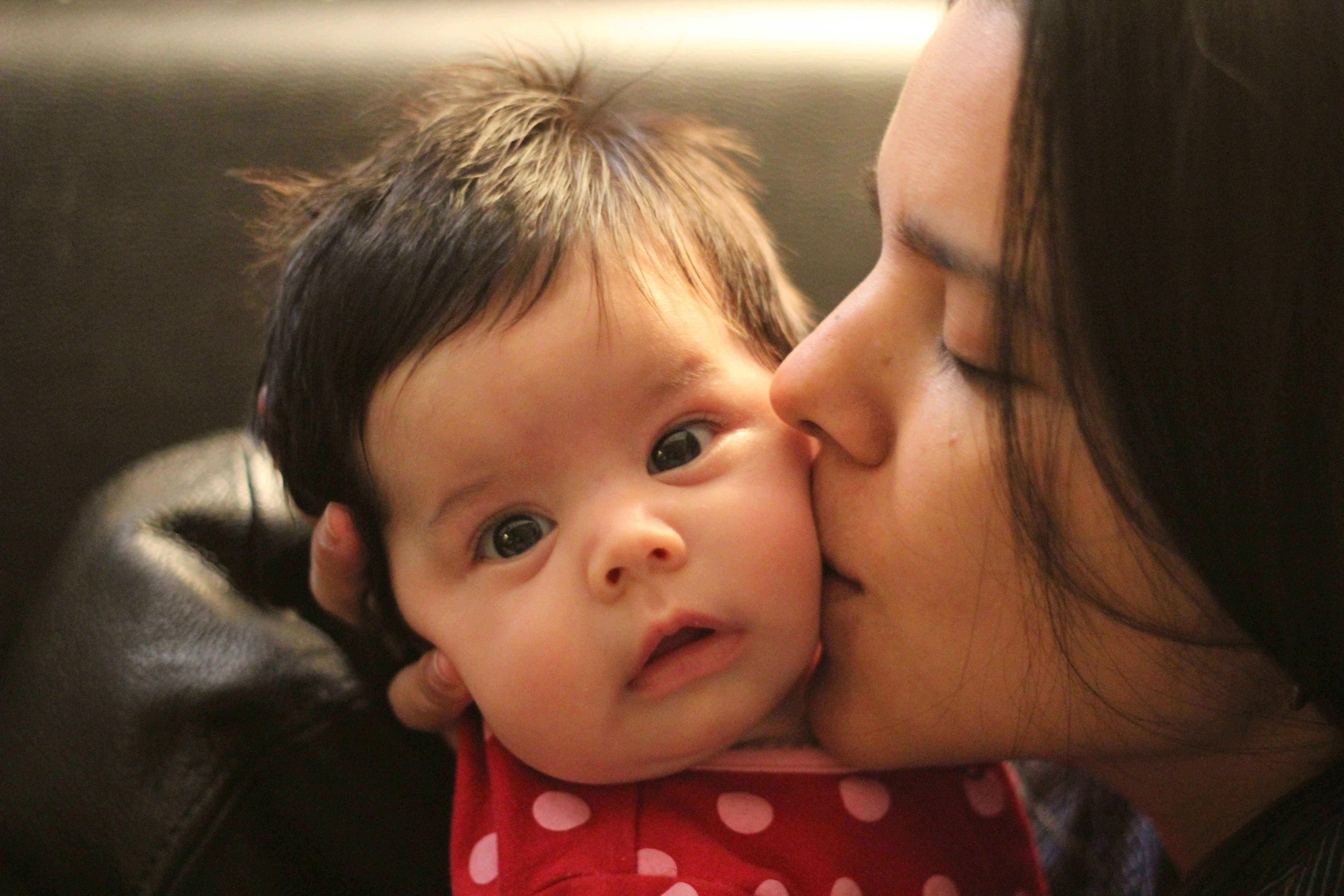
# World Breastfeeding Week: Prioritizing Sustainable Support Systems Every year, from August 1st to August 7th, over 170 countries unite to observe **World Breastfeeding Week**. Coordinated by the World Alliance for Breastfeeding Action (WABA) in partnership with the WHO and UNICEF, this week highlights breastfeeding as a fundamental human right linked to infant survival, lifelong health, and equity. For 2026, the global campaign focuses on the theme: *"Prioritize Breastfeeding: Create Sustainable Support Systems."* Rather than placing the entire responsibility on mothers, the 2026 initiative calls upon governments, workplaces, health care facilities, and families to strengthen permanent infrastructure—such as workplace lactation spaces and peer support networks—that allows nursing families to thrive. ## A Quiet Connection: 3:00 AM in the Nursery It is 3:00 AM, and the world is completely still. In a dimly lit nursery, Maya holds her four-week-old son, Leo. He is tiny, warm, and breathing softly against her chest. Only a week ago, this hour was filled with tears, painful latches, and an overwhelming sense of isolation. Maya felt ready to give up. But yesterday, a visiting community peer counselor spent an hour patiently guiding her, while her partner quietly took over the household chores so she could rest. Now, in the quiet dark, Leo latches smoothly, his tiny hand resting against hers. The frustration has dissolved into a gentle rhythm. In this room, breastfeeding is no longer a stressful hurdle—it has become a peaceful language of comfort and safety, sustained by the village supporting them from just outside the nursery door. ## Pause and Reflect Breastfeeding is often spoken of as a purely natural, instinctual act. In reality, it is a learned skill that requires time, immense patience, and physical energy. When a support system fails, breastfeeding often stops before a mother intends. Take a moment to reflect on the environments around you: - Does your workplace offer a private, dignified space for pumping? - Does your community normalize nursing in public spaces? *True sustainability means ensuring that no parent has to choose between their career, their comfort, and how they feed their child.* ## Tips and Suggestions for a Sustainable Support Village **For Partners:** - Take active ownership of the non-nursing tasks - Wash pump parts, manage diaper changes - Bring water or snacks during long feeding sessions **For Employers:** - Ensure clear compliance with protections like the PUMP Act - Provide dedicated, clean, private spaces (not a restroom) - Offer flexible break times for expressing milk **For Communities and Friends:** - Drop off a meal or run errands without expecting to hold the baby - Offer a listening, non-judgmental ear when the early weeks feel overwhelming **For Expectant Parents:** - Use the prenatal period to research lactation consultants - Find local parent support groups - Check what breastfeeding benefits or pumps are covered by your insurance
Live & Local
Happening in Dubai

Global Philanthropy Gala
Annual charity dinner supporting global NGOs.
View Details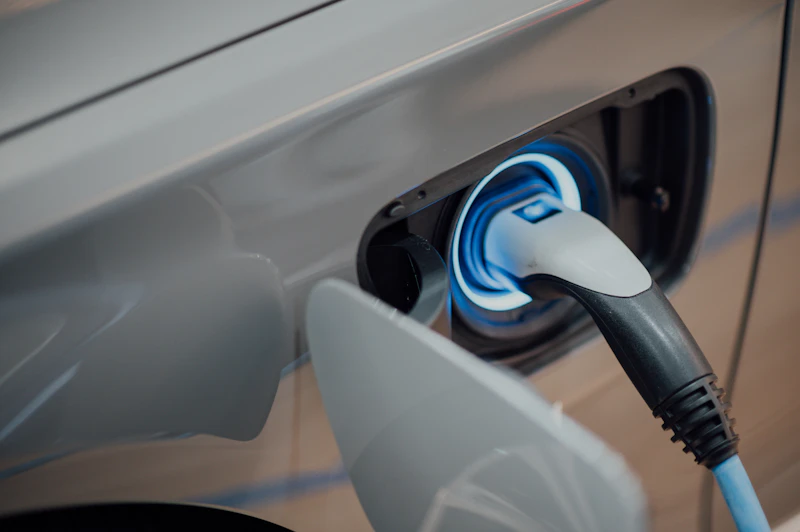
Sustainable Mobility Expo
Electric vehicles and future transportation.
View Details
AI & Healthcare
The intersection of artificial intelligence and medicine.
View Details
Ocean Cleanup Drive
Community initiative to clean Dubai beaches.
View Details
Education Tomorrow
EdTech innovations and the future of learning.
View Details
Smart City Hackathon
Coding the future of urban living.
View DetailsDeep Dives & Insights
The Knowledge Hub
This Week's Blogs





Global Impact Data
Live interactive charts from Our World in Data. Curated for you by AI based on this week's content.
AI Insight: This week's content focuses on health, sustainability, and community impact, highlighting the importance of environmental and social well-being. The selected charts emphasize renewable energy, health outcomes, resource management, and human development, aligning with the themes of sustainable longevity and community strength.